
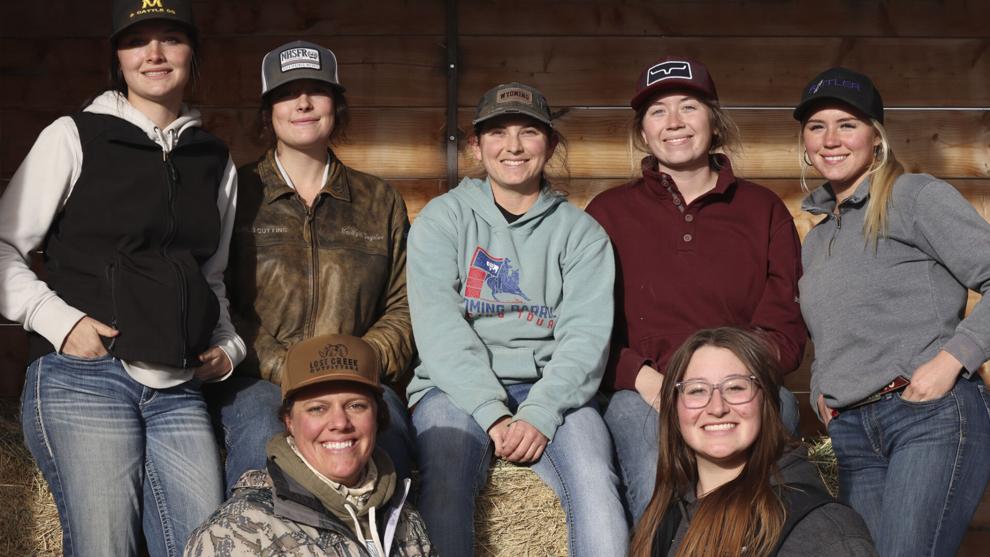
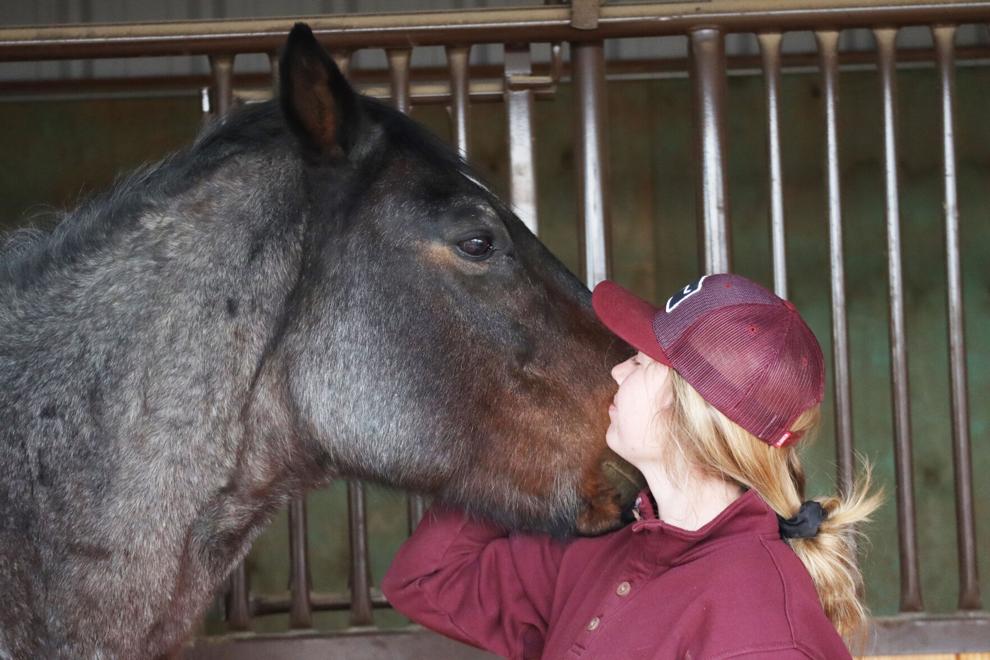
Central Wyoming College (CWC) student Giana Biagioni starts most mornings before the sun breaks the horizon. By 7:15 a.m. she’s walking into the Rustler Ag & Equine Complex, heading straight for the stall of Ronan, the three-year-old quarter horse she leases and cares for on campus.
“I feed him, clean his stall, make sure he’s healthy, and take his blanket off if it’s warm,” she said. “My first priority is always tending to him.”
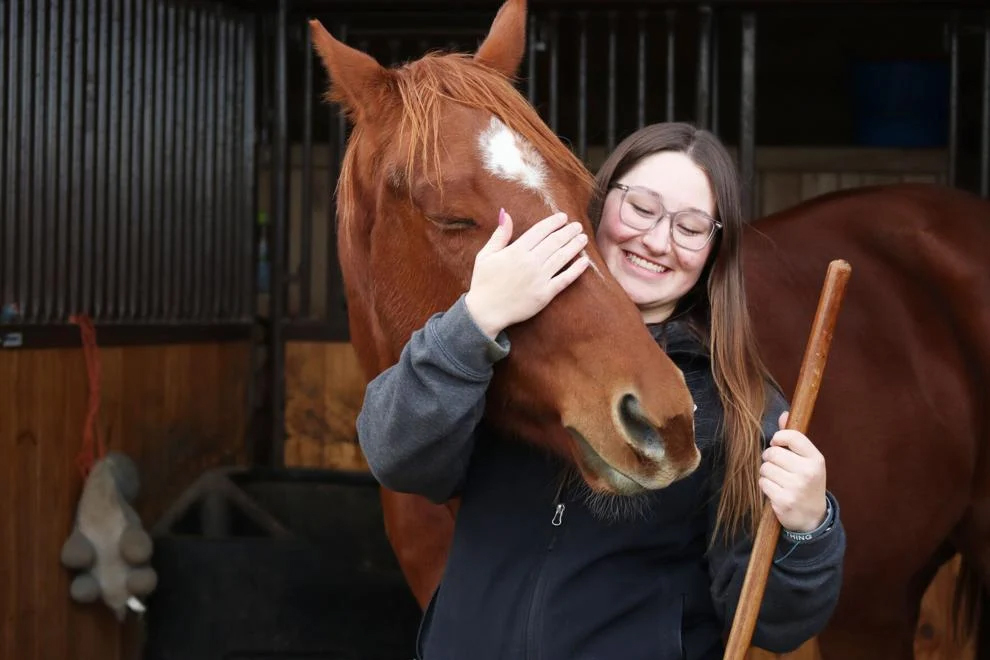
Biagioni, originally from Massachusetts, came to CWC as an agriculture major. After earning her first associate degree, she planned to move on – until she saw what the college’s expanding equine program looked like inside the newly built facility.
“It inspired me,” she said. “My best friend was in the program, and I saw the quality of the classes she was taking and I thought, ‘That’s for me.’”
Soon after, Biagioni enrolled in the Equine Management program and the college’s Bachelor of Applied Science in Agricultural Leadership. Now in her fourth year at CWC, she spends her long days in the arena, in the barn, or mentoring other students as a teaching and residential assistant.
“As you move through the program, there’s more and more opportunities to be hands on, working with and riding horses,” she said. “The turnaround between learning a skill and applying it is almost instantaneous.”
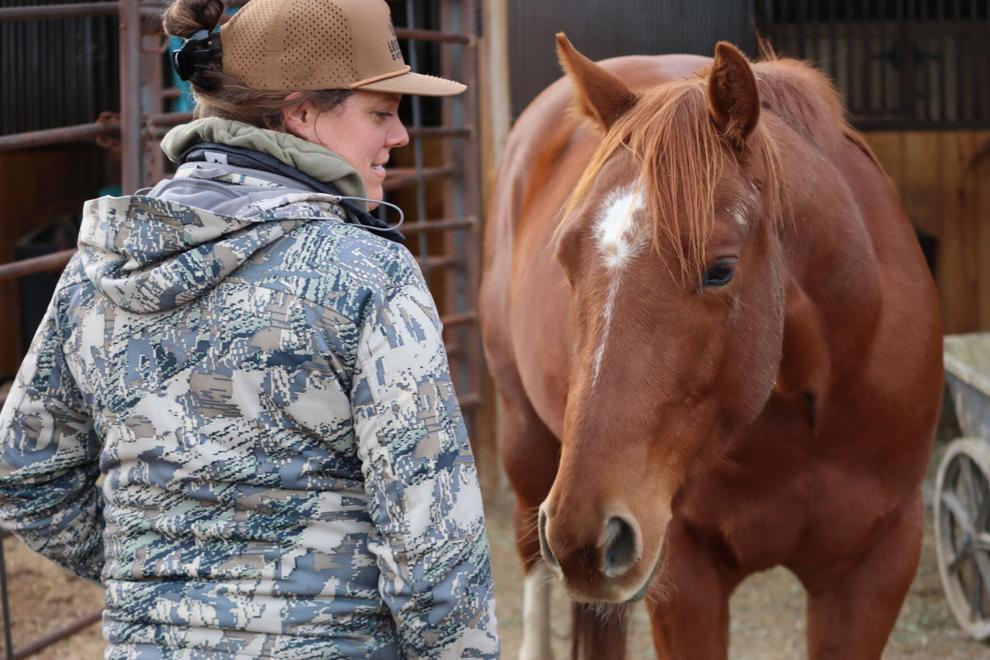
Ronan has become central to Biagioni’s education. The pair connected last spring, when Biagioni worked a National Cutting Horse Association event hosted at the complex. Effective networking led to an internship with Triangle T Performance Horses in Basin, where she spent a summer helping prepare show horses. The barn’s owners offered her the chance to take Ronan – one of their promising young horses – back to Riverton for the semester.
“He’s extremely willing and extremely athletic,” Biagioni said of Ronan, who has a flame-like white spot between his gentle eyes. “He tries so hard. I wouldn’t be able to make the improvements I’m seeing as a rider without having a horse like him.”
Biagioni is one of about two dozen equine students who keep horses on site. Only CWC equine students and Rustler athletes – in ranch horse or rodeo – can board at the facility. Those boarding horses receive hay, sawdust and daily access to the complex’s stalls, runs and pens. For some students, the ability to bring or lease a horse is what solidifies their decision to enroll.
“I told my family I was not going to college unless I can take my horse,” said freshman ranch horse team member Kaitlyn Snyder. She rides her gelding, Squirrel, in class and at practice.
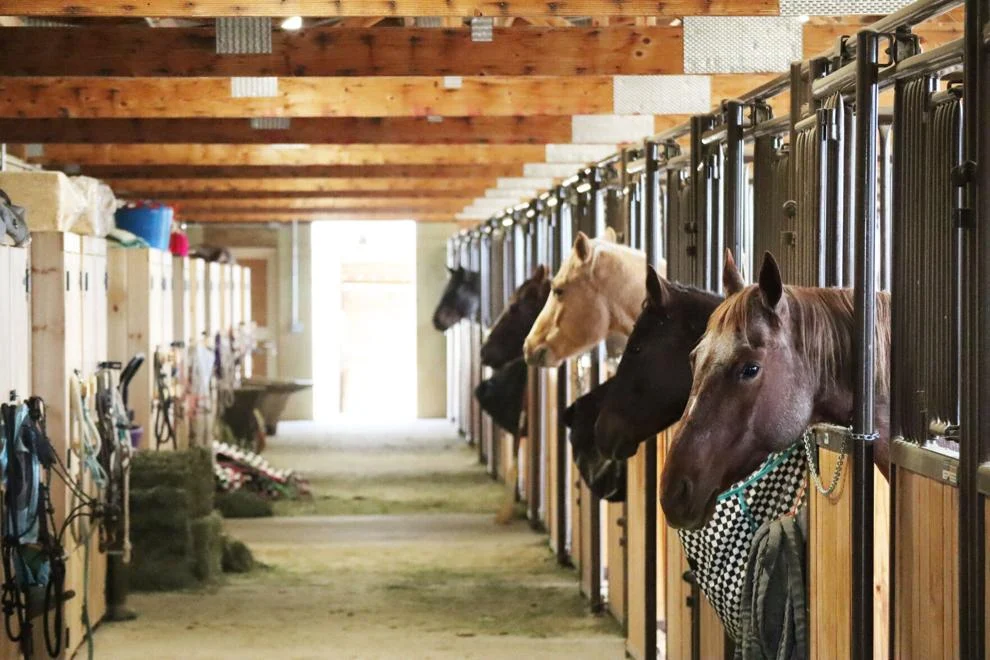
The program has attracted students from across Wyoming and beyond, including those who arrive without a horse. Second-year student Ryleigh Turgeon moved from Maine and leased an 18-year-old gelding named Rooster after her instructors helped her connect with a local owner.
“Finding a lease horse can be hard if you don’t know people out here,” Turgeon said. “But it’s a small world, and if you make an effort, there are great options out there.”
Turgeon spends part of every day with Rooster, including in-class cattle-work sessions, and said consistency has been key for both of them. “It’s about sticking with it for long enough to see results,” she said. “There are a lot of general life skills that develop naturally. Lessons you learn with horses apply to life too.”
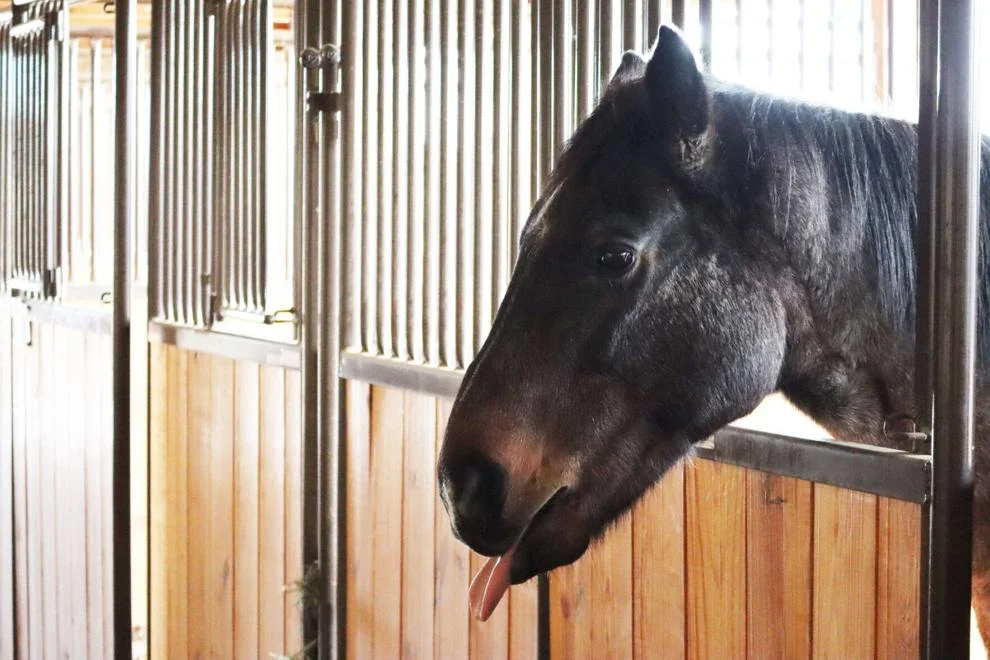
Instructor Jessie Whitlock, who graduated from CWC’s BAS program before becoming faculty, said daily, hands-on contact is part of what makes the program unique.
“We do spend our fair share of time in the classroom, but it’s always combined with actual doing. We want our students to succeed, and that often comes down to horsepower.”
The program’s growth has been steady since the new complex opened three years ago. CWC’s equine classes cap at 8-15 students, and enrollment in most sections has reached that limit.
Dual-enrollment student Alli Wahl, who will finish her associate degree just after graduating from Lander Valley High School next spring after utilizing dual enrollment, said the program’s mix of class types keeps things varied. “Cutting, stock horse, colt starting – we’re mainly out in the arena working horses,” she said. “It’s busy, but it’s manageable.”
Students enroll in the program in pursuit of a wide range of goals. Some want to become professional horse trainers. Turgeon is building out a horse-centric western sports photography business. Other students specialize in equine bodywork or rodeo event production.
“I could see myself staying in the CWC community, working to develop young leaders through equine education,” Biagioni remarked, pondering her next steps. “I want to motivate and inspire young women, especially in an industry that’s often male dominated.”
According to CWC Vice President for Academic Affairs Dr. Kathy Wells, the program caters to a wide range of interests by design. “The education options provide a variety of options for students who may be interested in training the young horse, skill development in riding, equine entrepreneurship, and equine facility management,” Wells said. “[We] offer equine transfer and workforce-ready programs, as well as an applied bachelor’s degree focused on advanced business and leadership studies.”
For Biagioni, the program’s tangible community support, rigorous horse work and practical leadership experience is the reason she stayed in Wyoming.
“I’ve become a better horsewoman,” she said. “And that means confidence.”